RINGS
Resilient & Intelligent NextG Systems
The Resilient & Intelligent NextG Systems (RINGS) program is a partnership between the National Science Foundation (NSF), the Office of the Under Secretary of Defense for Research and Engineering (OUSD R&E), the National Institute of Standards and Technology (NIST) and a number of industry partners.
The RINGS program seeks to accelerate research in areas that will potentially have significant impact on emerging Next Generation (NextG) wireless and mobile communication, networking, sensing, and computing systems, along with global-scale services, with a focus on greatly improving the resiliency of such networked systems among other performance metrics.
RINGS PI 4 Held February 5th, 2026
This RINGS PI Event was held virtually via Microsoft Teams, making it easy for everyone to join from any location. This PI event featured a strong lineup of presenters who shared valuable updates, insights, and innovations from across the program. For the full agenda, session descriptions, presentation materials and recordings, please visit the PI 4 Page over at RINGS Connect.
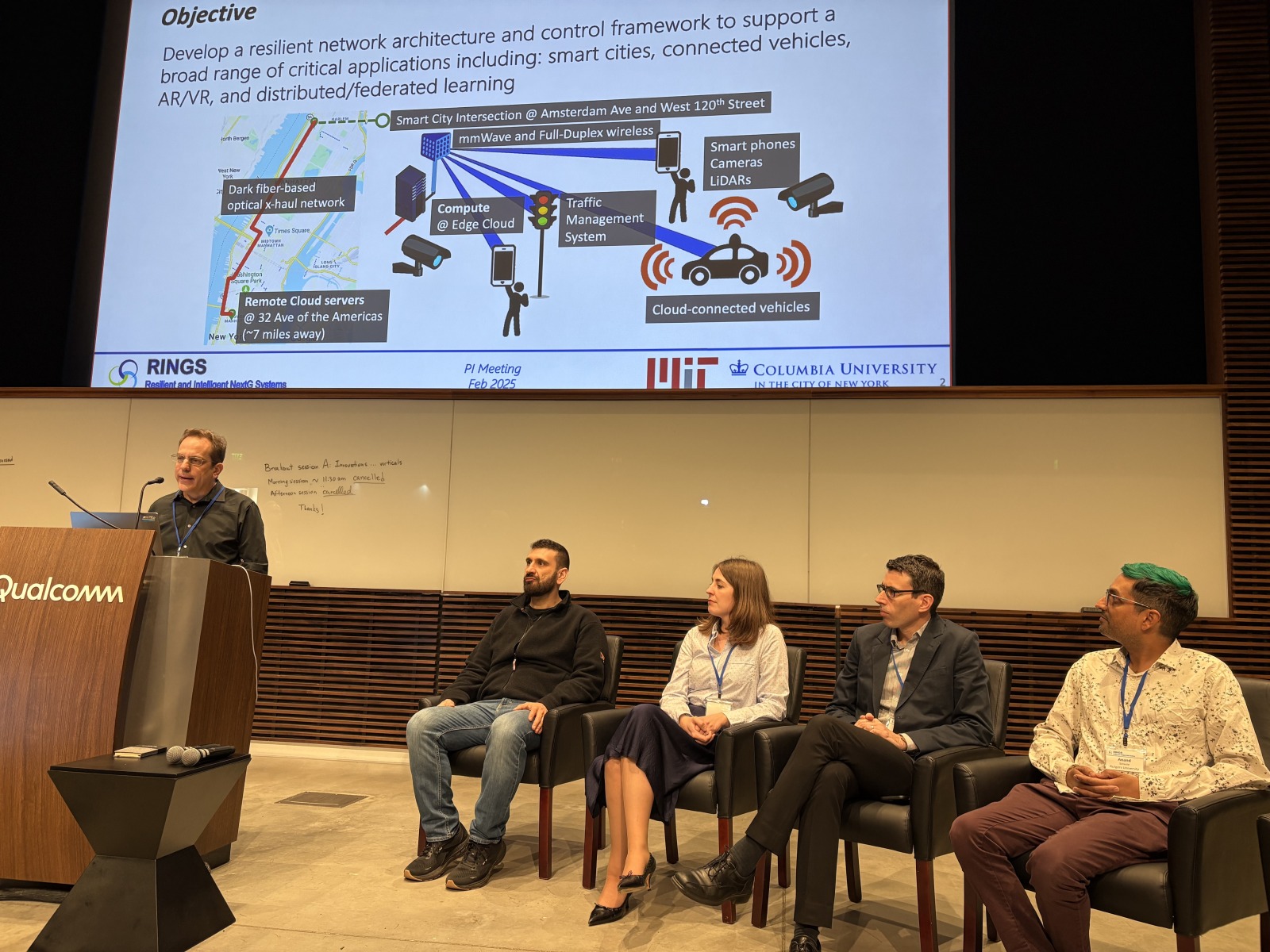
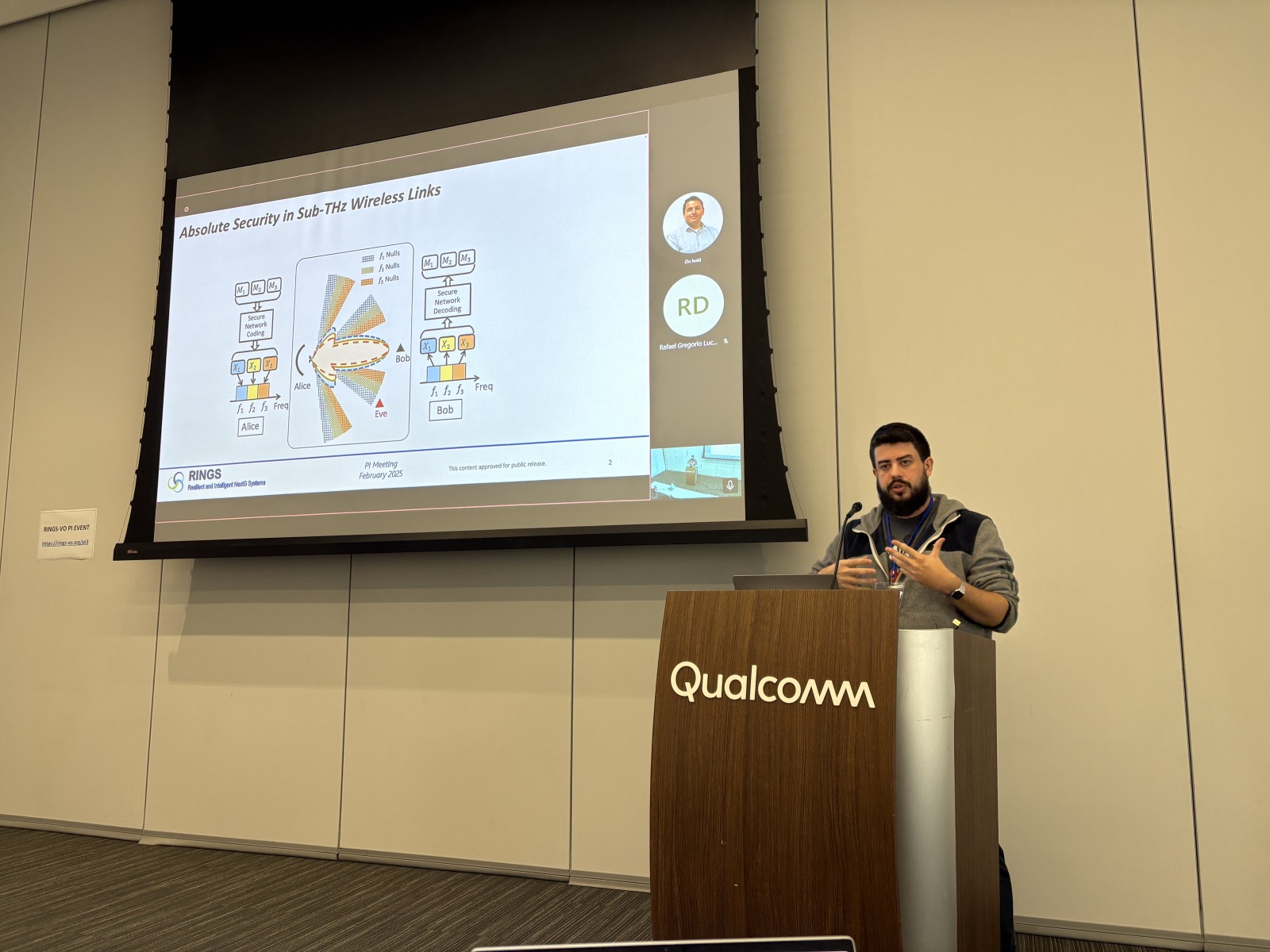
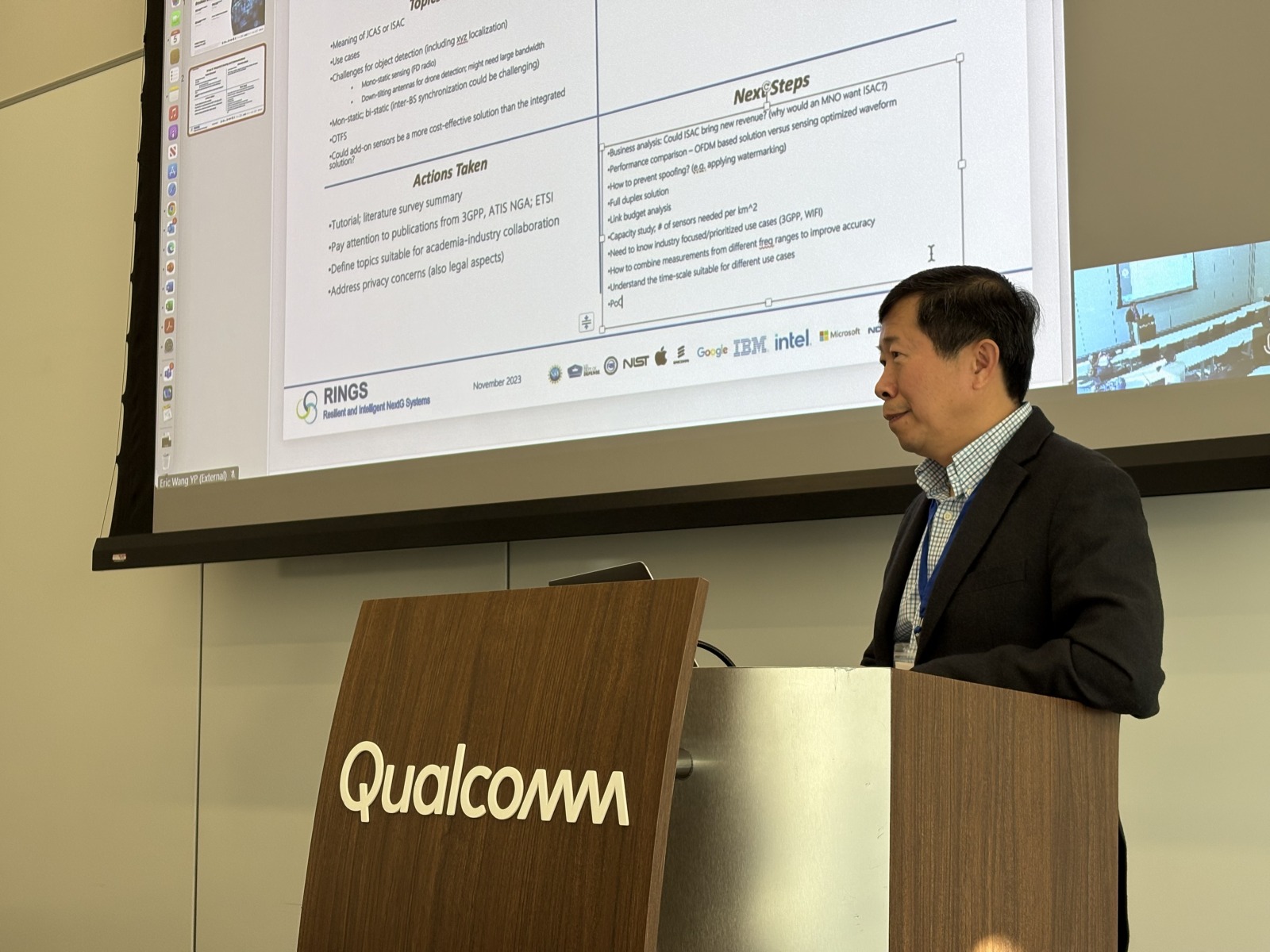
RINGS PI 3 Held February 4 – 6, 2025